
Leukemia
Leukemias are cancers that begin in the blood-forming tissue of the bone marrow. It results in a large numbers of abnormal white blood cells building up in the blood and bone marrow to a point where they outnumber normal blood cells. There makes it difficult for the body to distribute oxygen to its tissues, fight infections, and control bleeding.
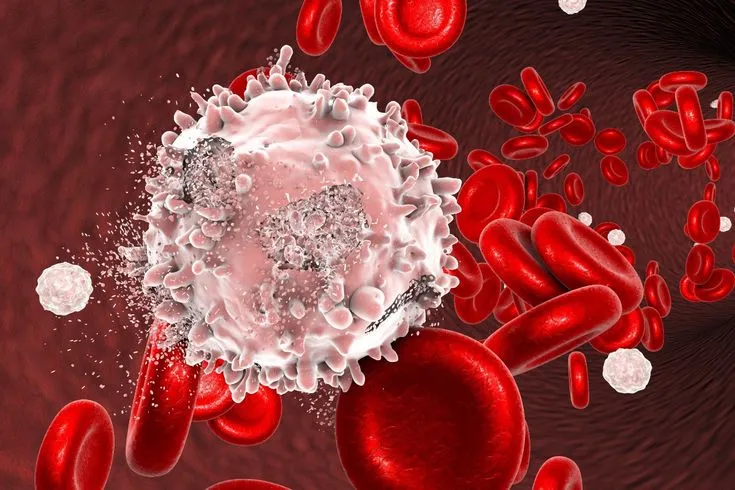
The symptoms are
➔ Fatigue and Weakness:Persistent tiredness, even after adequate rest, is a frequent symptom due to the body’s decreased ability to produce healthy red blood cells.
➔ Fever and Night Sweats:Unexplained fever and excessive sweating, mostly at night,
➔ Frequent Infections:Reduced immunity making individuals more prone to infections.
➔ Weight Loss:Unintentional weight loss, sometimes accompanied by a loss of appetite.
➔ Easy Bleeding and Bruising:Easy bruising and prolonged bleeding from even minor cuts and injuries.
➔ Bone and Joint Pain:Pain and tenderness in the bones and joints due to the proliferation of cancerous cells in the bone marrow.
➔ Swollen Lymph Nodes:Inflammation of lymph nodes in the neck, armpits, and groin.
➔ Enlarged Spleen or Liver:In some cases, organs like Spleen or Liver become enlarged, causing discomfort in the abdomen.
➔ Shortness of Breath:Anaemia that leads to shortness of breath.
➔ Petechiae:Small, red spots are seen under the skin as a result of bleeding below the skin surface.
➔ Headaches and Nosebleeds:Affects the central nervous system, leading to headaches and nosebleeds due to a low platelet count.
The Leukemias are classified as below
1. Acute Lymphoblastic Leukemia (ALL):
- Most common in children, but can also affect adults.
- Characterized by the rapid growth of abnormal lymphocytes (a type of white blood cell).
- Requires prompt treatment.
2. Acute Myeloid Leukemia (AML):
- More common in older adults, but can also occur in children.
- Involves the rapid growth of abnormal myeloid cells (another type of white blood cell).
- Is the most common type of acute leukemia in adults.
3. Chronic Lymphocytic Leukemia (CLL):
- Most common chronic leukemia in adults, often diagnosed in middle age or later.
- Characterized by a slow progression and may not require immediate treatment.
- Symptoms may not appear for years.
4. Chronic Myeloid Leukemia (CML):
- Typically occurs in adults, usually during or after middle age.
- Also has a slow progression, and symptoms may not appear for a long time.
- Characterized by an overproduction of white blood cells.
Other less common types of leukemia also exist, such as:
- Hairy cell leukemia: A rare cancer of the blood and bone marrow.
- Large granular lymphocytic leukemia (LGLL): Involves an overproduction of a specific type of white blood cell.
- Prolymphocytic leukemia (T-PLL and B-PLL): Rare subtypes affecting T or B lymphocytes.
- Blastic plasmacytoid dendritic cell neoplasm (BPDCN): Affects a type of white blood cell called a plasmacytoid dendritic cell.
Meet Our Doctor